
How to Build a Journaling Habit That Actually Sticks
Most journaling routines fail because they’re designed for an ideal version of you. Here’s a gentler approach that works on real, messy days.
Most journaling routines fail because they’re designed for an ideal version of you. Here’s a gentler approach that works on real, messy days.
Most journals die in the second week of January. Here’s the setup that keeps people writing through the gray months — and what to cut.
Most journaling routines collapse the first time life gets loud. Here’s the low-friction system that keeps the habit alive when everything else falls apart.
Most productivity advice treats your workspace as a machine. I think it works better when it feels like a room — and that changes almost every design choice you make.
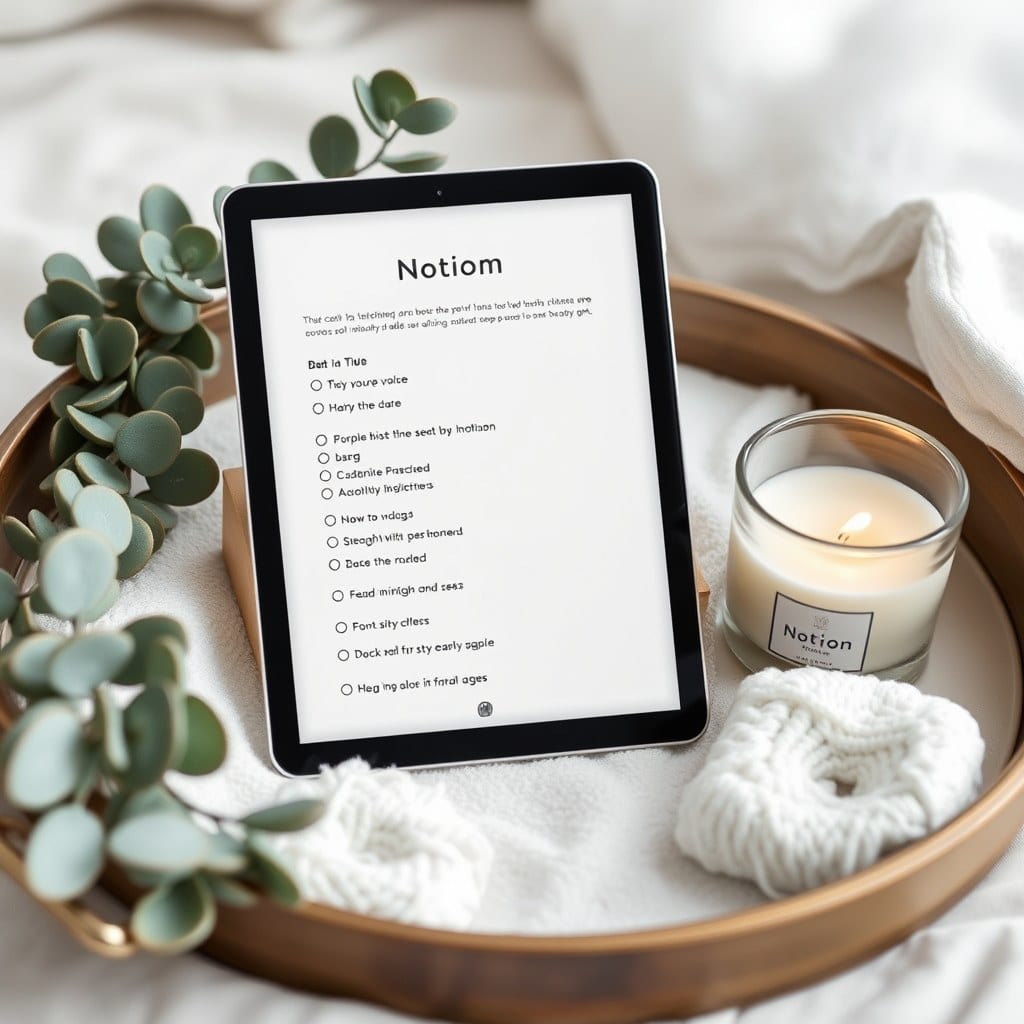
Most journals die in the second week of January. Here’s the Notion setup and the three rules that got me to 400 consecutive entries.
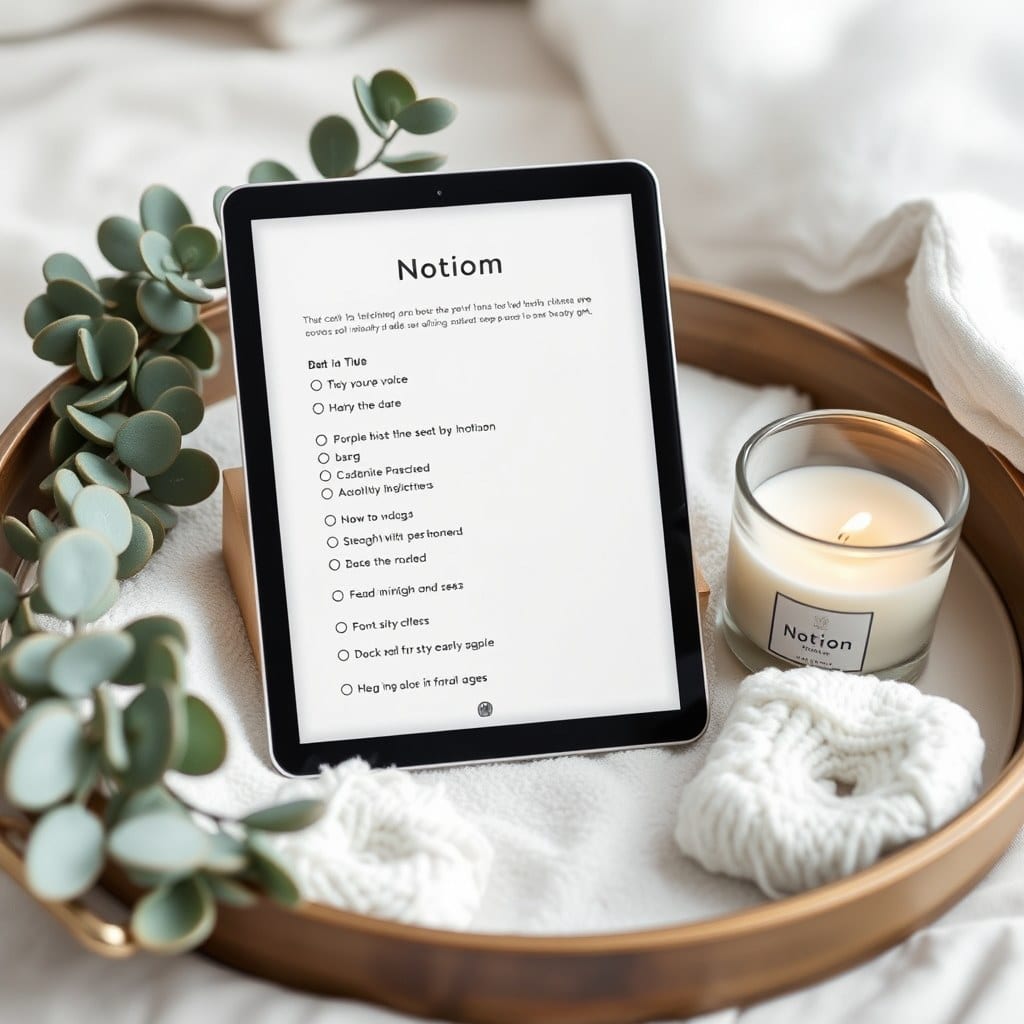
Most digital journals die in three weeks. Here’s the setup that survives — fewer fields, a home for mess, and a ritual you look forward to.
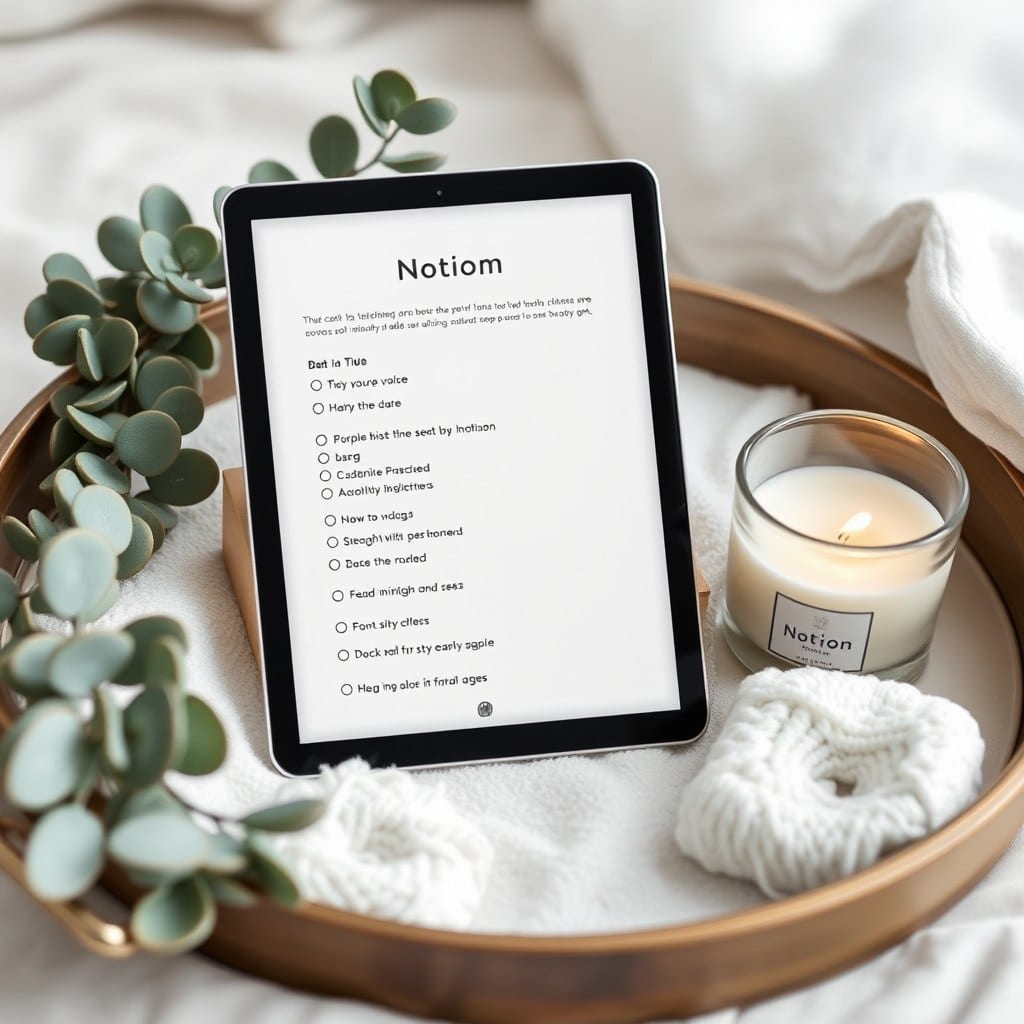
Most weekly reviews are built like audits. Here’s a gentler structure that people actually keep doing past February.

Most journaling habits die on a Wednesday. Here’s a gentler way to set one up so it holds when your week gets loud.

The hardest pages to design aren’t the productive ones. They’re for the Tuesday after a hard week, when you’re not at your best.

A growing number of people are trading optimized systems for softer ones. What that shift means for the tools we build.