Something is shifting in the way people talk about their own systems. A few years ago, the language was all leverage and output. Now I hear a different vocabulary — ritual, rhythm, enough, tending. It’s not a small aesthetic change. It’s a change in what people think their tools are for.
The clearest sign is what people do with their setups when nobody’s watching. They add a journal page. They make a mood board. They name a project after a song instead of a goal. None of that is efficient. All of it is meaningful, and meaning is what keeps a system alive past week three.
I think there are two forces behind this. The first is exhaustion. A lot of people spent the last several years building elaborate dashboards and then quietly stopped opening them. The systems didn’t fail because they were badly made. They failed because they asked for a kind of energy that isn’t available on an ordinary Tuesday. When a tool only works on your best day, it isn’t a tool. It’s a mirror, and a flattering one.
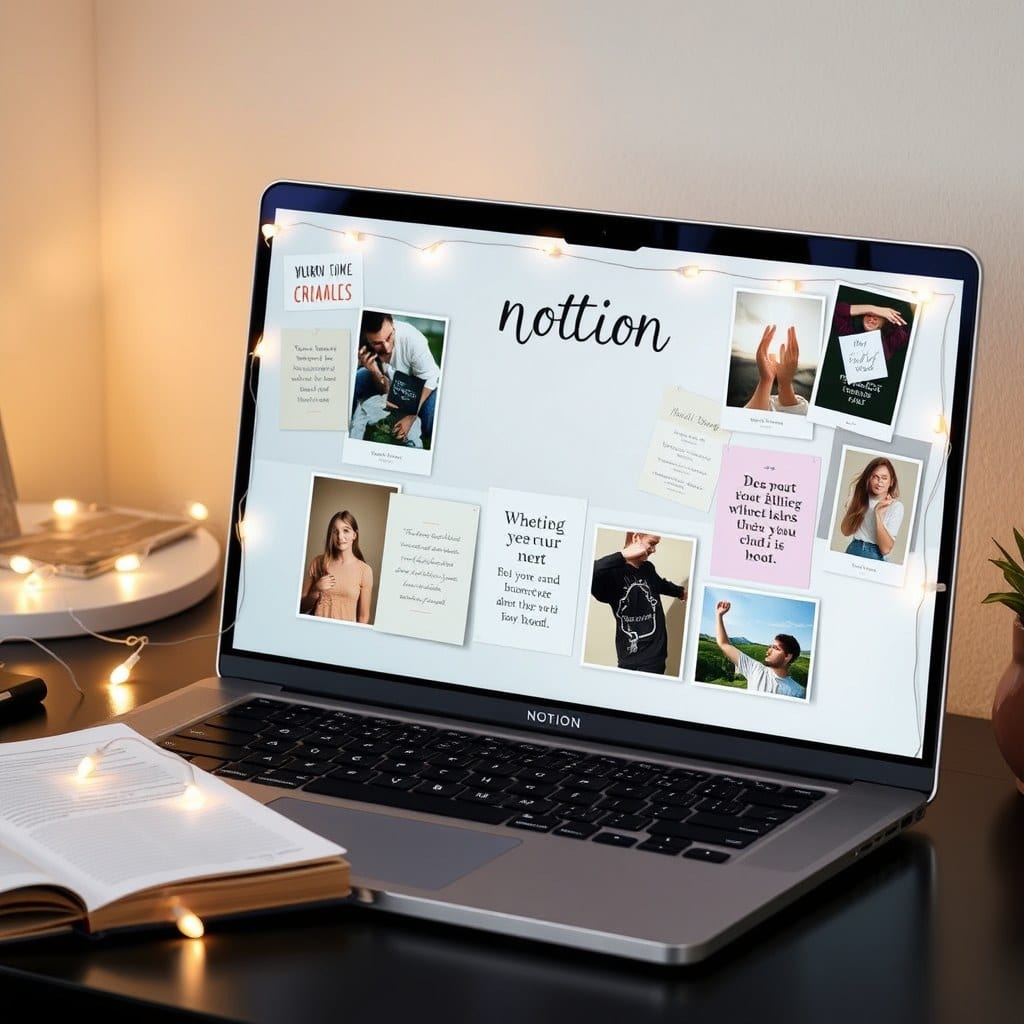
The second force is social. People share their setups now. Not their results — their setups. The screenshot of a well-designed Notion page has become a small piece of self-expression, closer to a bookshelf than a spreadsheet. Once a system is something you show, it has to say something about who you are. And most people don’t want to say ‘I am optimized.’ They want to say ‘I am trying, gently, to live well.’
The backlash isn’t anti-structure. This is the part that gets misread. Nobody is arguing for chaos. The people moving away from productivity culture still keep calendars and track their work. What they’re refusing is the moral framing — the idea that a well-kept life is a virtuous one and a messy week is a personal failing. They want the structure without the judgment.
You can see this in what features people ask for now. Two years ago, the requests were integrations, automations, dashboards that connected everything. Now the most common notes I get are about tone. Can the overdue tasks not be red? Can the weekly review not ask what I failed at? Can there be a version for a slow month? These are small asks with a large premise behind them: the tool should adjust to the person, not the other way around.
There’s a real business risk in reading this trend too literally. Softness can slide into shapelessness. A template with no structure at all is just a blank page with better fonts, and people abandon those fast. The trick — and it took me a while to find it — is to keep the structure and remove the shame. Keep the weekly page, drop the score. Keep the goals, drop the guilt when they move. That’s a narrower design space than it sounds, and it’s where the interesting work is.
I’d also push back on the idea that this is generational. The loudest voices in the slow-living corner of the internet are in their twenties and thirties, but the people using these templates span much wider. What unites them isn’t age. It’s a shared sense that the previous decade’s tools were built for a life nobody actually has — one with unlimited energy, no grief, no caregiving, no bad weeks.
What comes next, I think, is a split. Productivity software will keep getting faster and more automated, and it will keep serving the people it serves well. Alongside it, a smaller, stranger category will grow — tools that are less about doing more and more about noticing what you’re already doing. Journals, trackers for things you love, systems that hold a life instead of managing it. That category is younger than it looks, and it’s where I’d rather be building.
The honest version of this trend isn’t that people stopped caring about their time. It’s that they started caring about it differently. They still want to get things done. They just want to be a person while they do it. Any tool that respects both of those at once has a long life ahead of it.